My Story: Patsy Walker
Part Five
TITLE: My Story: Patsy Walker – Part Five
AUTHOR: Patsy Walker
PERMISSION to publish granted by the author
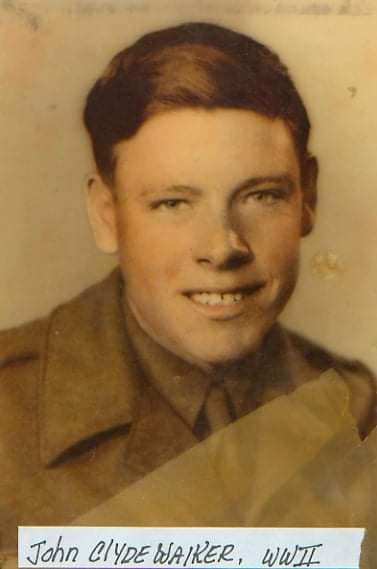
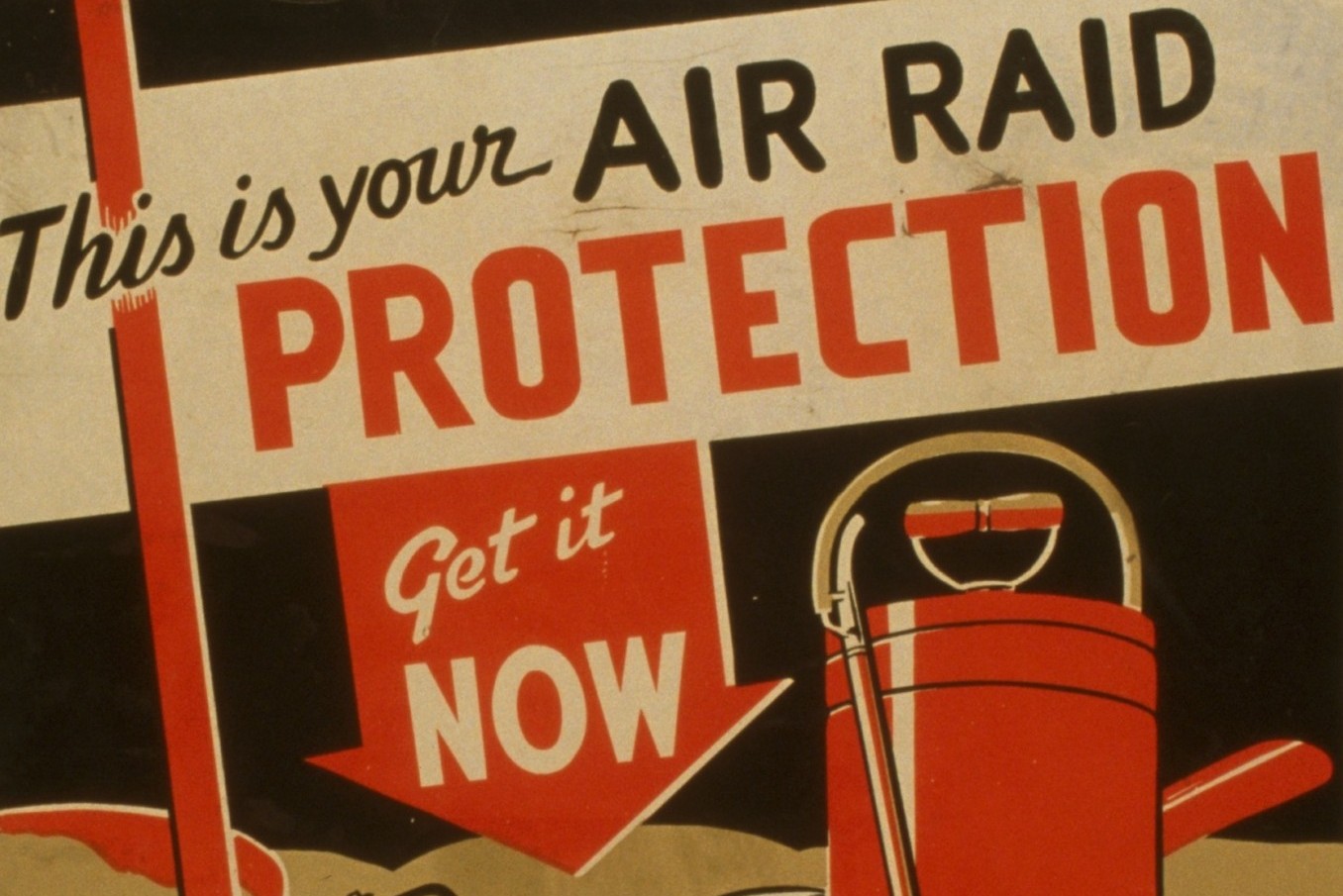
World War II (1939-1945) occurred while Moe lived at 305 Leslie Street. When Japan dropped the bomb on Pearl Harbor, extra editions of the newspaper were printed. Moe helped the carrier deliver these extras. They’d called out “extra, extra, read all about it!” There were a lot of posters around town about the war. One showed Uncle Sam pointing with the words “I Want You for the U.S. Army – Enlist Now.” Another showed Rosie the Riveter flexing her arm. Others encouraged you to buy war bonds. Several of the boys in our neighborhood served in this war – Jay [John Clyde Walker, Patsy’s brother-in-law] in the Army in the Philippines, Clyde and Bill Roberts (my uncles) in the Navy, and Ashley Arrowood in some branch of the service - to name a few. If you had someone in the service, you’d hang a small sign with a star in your window. In case of a casualty, you’d get a letter edged in black telling of the loss of your loved one. We’d have air raids and everyone was supposed to have total darkness in their homes during this time. If you had a light on, you would make sure the windows were covered with something very dark. Many items were rationed: meat, sugar, nylon hose, rubber, candy, etc. We received coupons for these items, limiting how much we could buy. We managed to buy candy from this lady who lived on University Avenue. We don’t know where she managed to get the candy, but we do remember she kept a raccoon in her house, and it (the house) smelled very bad.
Moe wrote Jay a letter while he was in the Army, asking for a bicycle. Due to the shortage of rubber being used for the war, there were no bicycles to be found. He did get one later when Jay returned from service. When the war ended, I remember Aunt Carmen taking me to Gay Street (uptown). The streets were closed off, and they were full of people celebrating – shouting and hollering. It was exciting to an 11 year old to see so much celebration and happiness. People were so relieved to see the war was over.
Moe’s father died in 1947, and Moe, Norma and Granny Walker left 305 Leslie around 1949-1950. All the houses are gone now, with the Knoxville News-Sentinel and Coca-Cola Bottling taking up most of the old neighborhood. I guess you call it progress.
At about 16 years of age, Moe went to work for Spurgeon’s Bakery. By 17 he was the breadwinner for his mother and [Moe’s sister] Norma. When he was drafted into the Army, he was working for Foote Mineral. By that time Norma was married, and his mother went to live with [Moe’s sister] Mildred. When Moe returned from the Army in 1958, he lived with Mildred for about 5 months until we were married.